

 Chat on WhatsApp
Voltage Regulators Explained: 7805, 7812, LM317, AMS1117, LM2596 and TL431
How linear and switching voltage regulators work and which to use: 78xx and 79xx fixed regulators, the adjustable LM317, the AMS1117 LDO for 3.3V, the LM2596 buck regulator and the TL431 reference.
2 min readBy the module.pk teamاردو میں پڑھیں ↓
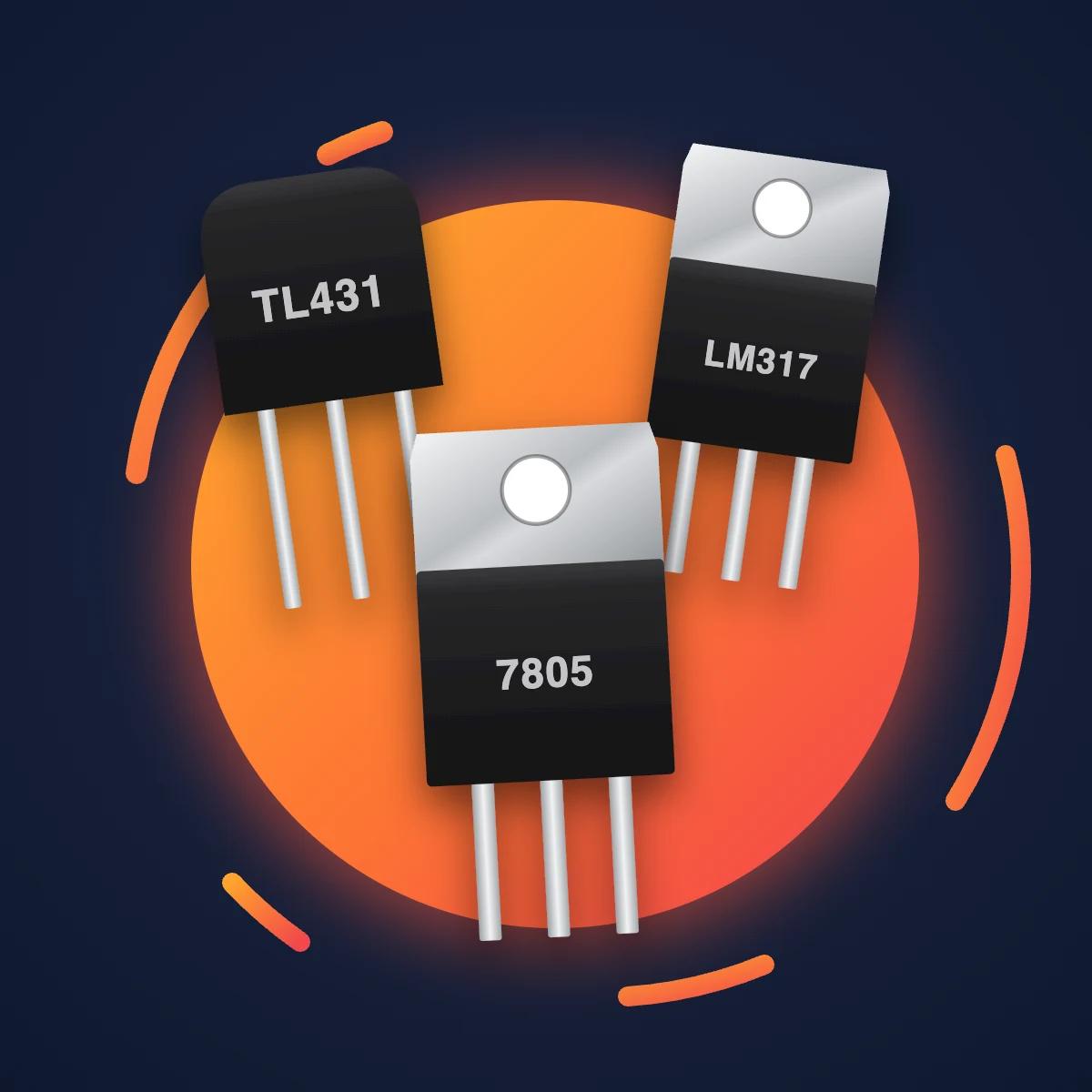
Almost every circuit needs a steady supply voltage, even when its input wanders. A voltage regulator provides it. From the 7805 that turns 9 to 12V into a clean 5V for a microcontroller, to the AMS1117 that feeds 3.3V to an ESP32, regulators are some of the most used parts in electronics.
Types of voltage regulators
| Regulator | Type | Typical use |
|---|---|---|
| 7805, 7809, 7812, 7815 | Fixed positive linear | 5V, 9V, 12V and 15V rails in kits, chargers and TV boards |
| 7905 | Fixed negative linear | Negative rails for op amp and audio circuits |
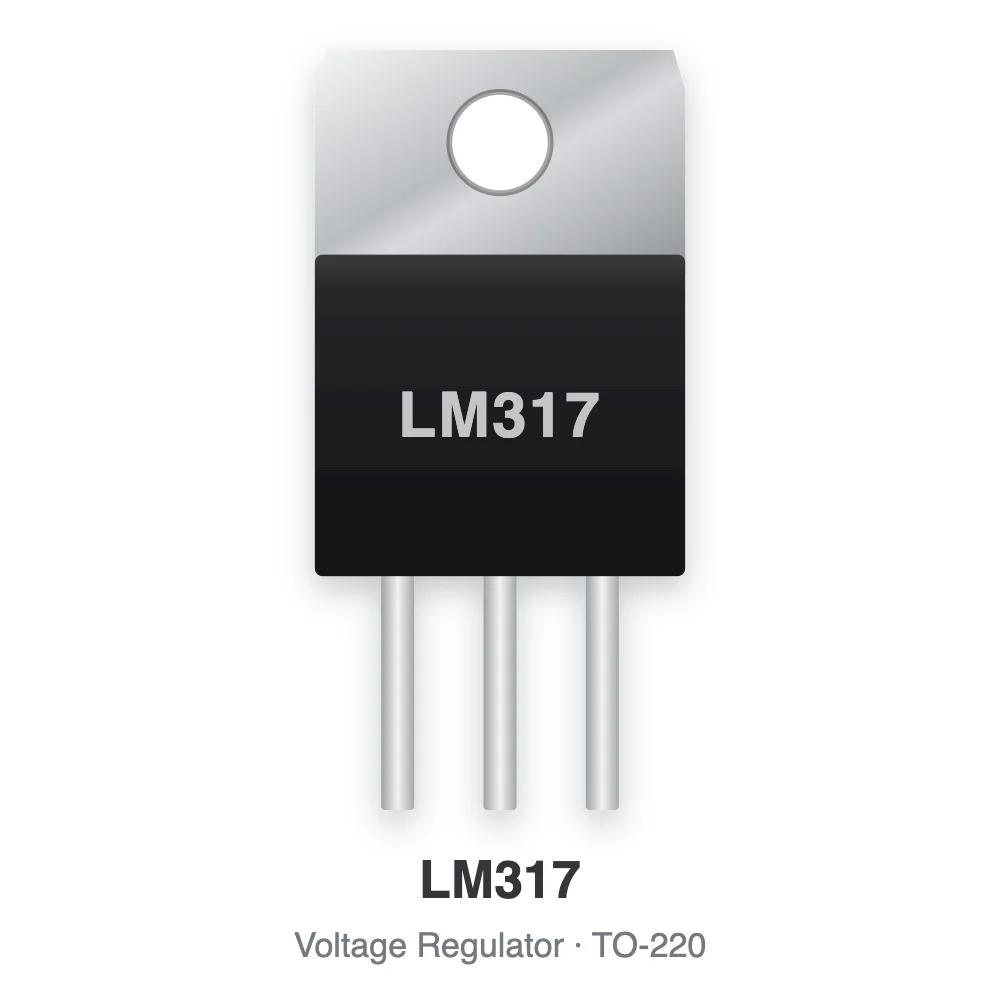
| LM317 / LM337 | Adjustable linear, positive and negative | Bench supplies and custom voltages from about 1.25V |
| AMS1117 | Low dropout (LDO) | 3.3V for ESP32, ESP8266 and SD cards |
| LM2596 | Switching buck | Efficient step down at up to 3A |
| TL431 | Adjustable shunt reference | Feedback in SMPS with a PC817 optocoupler |
Linear or switching?
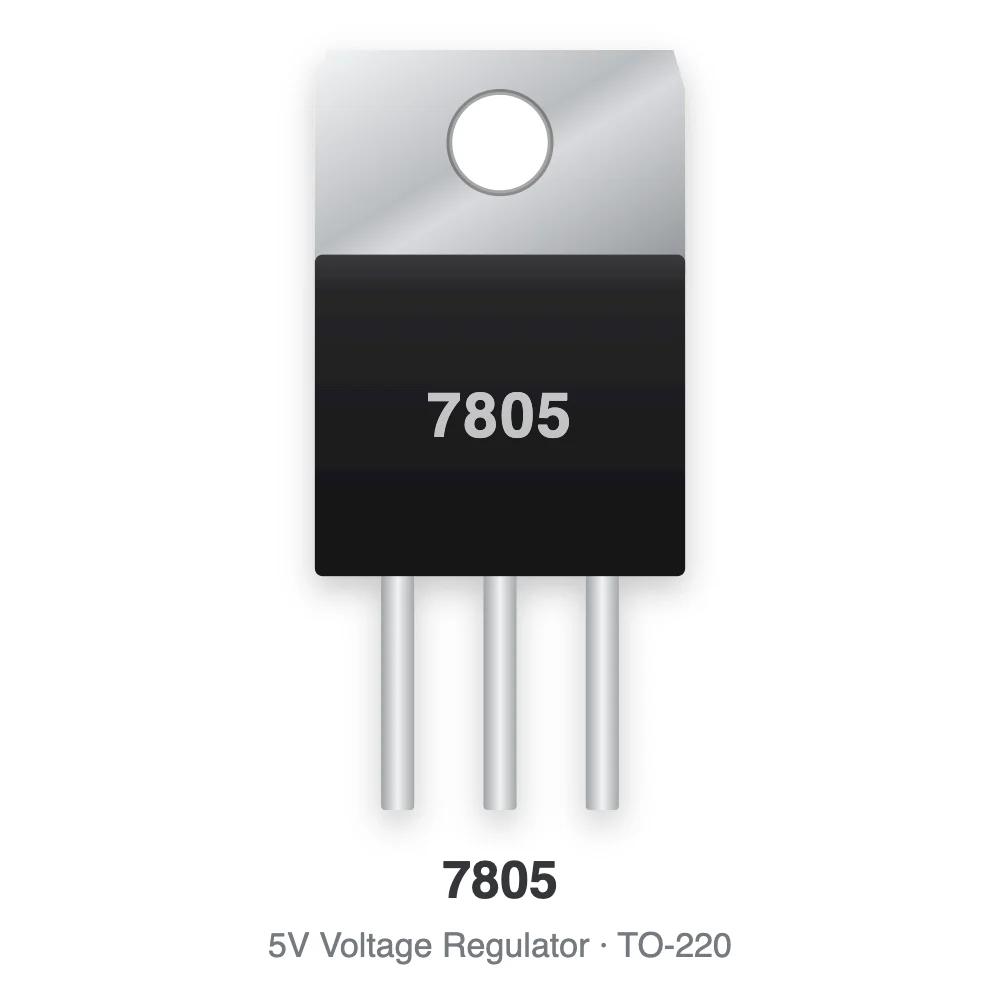
A linear regulator like the 7805 or LM317 is simple and quiet but turns the extra voltage into heat: dropping 12V to 5V at 1A wastes 7W, so it needs a heatsink. A switching regulator like the LM2596 is far more efficient for big drops and high currents. For larger loads, see our guide to DC to DC buck and boost converters.
Tips for using regulators
- Fit the input and output capacitors the datasheet asks for, or the regulator can oscillate.
- Keep the input at least 2V above the output for 78xx types (an LDO needs less).
- Check the pinout: 79xx negative regulators have a different pin order from 78xx.
Find voltage regulators fast with the part finder on module.pk
Our Voltage Regulators page opens with a part number finder. Type the number printed on the face of the part, such as 7805, and it shows that part and its equivalents, so you can still repair a board when the original number is hard to find. Ignore the logo and the date code: the part number is usually the longest line.
Below the finder, package tiles let you pick the body shape with one tap, and the filters narrow by component type (fixed, adjustable, LDO, switching, reference), package, mounting (through hole or SMD) and pack quantity. Every listing shows the maximum voltage and current, the pin count and known equivalents. Not sure what you have? Send a photo of the part on WhatsApp and we will find it or an equivalent.
Frequently asked questions
How do I get 3.3V for an ESP32?
Use an AMS1117 3.3V LDO regulator from a 5V supply.
Why does my 7805 get hot?
It burns off the difference between input and output voltage as heat. Lower the input voltage, add a heatsink or use a switching regulator.
اردو میں
وولٹیج ریگولیٹر کی پوری سمجھ: 7805، 7812، LM317، AMS1117، LM2596 اور TL431
تقریباً ہر سرکٹ کو برابر سپلائی وولٹیج چاہیے، چاہے ان پٹ اوپر نیچے ہو۔ وولٹیج ریگولیٹر یہی دیتا ہے۔ 9 سے 12V کو مائیکرو کنٹرولر کے لیے صاف 5V بنانے والے 7805 سے لے کر ESP32 کو 3.3V دینے والے AMS1117 تک، ریگولیٹر الیکٹرانکس کے سب سے زیادہ استعمال ہونے والے پارٹس میں ہیں۔
وولٹیج ریگولیٹر کی قسمیں
| ریگولیٹر | قسم | عام استعمال |
|---|---|---|
| 7805، 7809، 7812، 7815 | مقرر مثبت لینیئر | کٹس، چارجر اور ٹی وی بورڈ میں 5V، 9V، 12V اور 15V |
| 7905 | مقرر منفی لینیئر | اوپ ایمپ اور آڈیو سرکٹ کے لیے منفی وولٹیج |
| LM317 / LM337 | ایڈجسٹ ہونے والا لینیئر، مثبت اور منفی | بینچ سپلائی اور تقریباً 1.25V سے اپنی مرضی کا وولٹیج |
| AMS1117 | لو ڈراپ آؤٹ (LDO) | ESP32، ESP8266 اور SD کارڈ کے لیے 3.3V |
| LM2596 | سوئچنگ بک | 3A تک کم نقصان سے وولٹیج کم کرنا |
| TL431 | ایڈجسٹ ہونے والا شنٹ ریفرنس | PC817 آپٹو کپلر کے ساتھ SMPS میں فیڈ بیک |
لینیئر یا سوئچنگ؟
7805 یا LM317 جیسا لینیئر ریگولیٹر سادہ اور خاموش ہے مگر اضافی وولٹیج کو گرمی بنا دیتا ہے: 1A پر 12V سے 5V کرنے میں 7W ضائع ہوتے ہیں، اس لیے ہیٹ سنک چاہیے۔ LM2596 جیسا سوئچنگ ریگولیٹر زیادہ فرق اور زیادہ کرنٹ پر کہیں زیادہ کارآمد ہے۔ بڑے لوڈ کے لیے ہماری DC سے DC بک اور بوسٹ کنورٹر کی گائیڈ دیکھیں۔
ریگولیٹر استعمال کرنے کے مشورے
- ڈیٹا شیٹ کے مطابق ان پٹ اور آؤٹ پٹ کپیسٹر لگائیں، ورنہ ریگولیٹر ڈول سکتا ہے۔
- 78xx کے لیے ان پٹ آؤٹ پٹ سے کم از کم 2V زیادہ رکھیں (LDO کو کم چاہیے)۔
- ٹانگوں کی ترتیب چیک کریں: 79xx منفی ریگولیٹر کی ترتیب 78xx سے الگ ہے۔
module.pk کے پارٹ فائنڈر سے وولٹیج ریگولیٹر جلدی ڈھونڈیں
ہمارے وولٹیج ریگولیٹر پیج کے شروع میں پارٹ نمبر فائنڈر ہے۔ پارٹ کے اوپر لکھا نمبر لکھیں، جیسے 7805، اور یہ وہ پارٹ اور اس کے متبادل دکھاتا ہے، تاکہ اصل نمبر نہ ملے تب بھی بورڈ ٹھیک ہو سکے۔ لوگو اور تاریخ کا کوڈ چھوڑ دیں: پارٹ نمبر عام طور پر سب سے لمبی لائن ہوتی ہے۔
فائنڈر کے نیچے پیکج کے ٹائل سے ایک ٹچ میں پارٹ کی شکل چنیں، اور فلٹر پارٹ کی قسم (مقرر، ایڈجسٹ، LDO، سوئچنگ، ریفرنس)، پیکج، لگانے کا طریقہ (تھرو ہول یا SMD) اور پیک میں تعداد سے لسٹ چھوٹی کرتے ہیں۔ ہر پارٹ پر زیادہ سے زیادہ وولٹیج اور کرنٹ، پنوں کی تعداد اور معلوم متبادل لکھے ہیں۔ پتا نہیں آپ کے پاس کیا ہے؟ پارٹ کی تصویر WhatsApp پر بھیجیں، ہم وہی یا اس کا متبادل ڈھونڈ دیں گے۔
اکثر پوچھے جانے والے سوال
ESP32 کے لیے 3.3V کیسے لوں؟
5V سپلائی سے AMS1117 3.3V LDO ریگولیٹر لگائیں۔
میرا 7805 گرم کیوں ہوتا ہے؟
یہ ان پٹ اور آؤٹ پٹ کا فرق گرمی بنا کر ضائع کرتا ہے۔ ان پٹ وولٹیج کم کریں، ہیٹ سنک لگائیں یا سوئچنگ ریگولیٹر لگائیں۔