

 Chat on WhatsApp
DC to DC Converters Explained: Buck (Step Down) and Boost (Step Up) Modules for Solar, Car and DIY Power
What a DC to DC buck converter and boost converter do, how to pick by input voltage, output voltage, current and wattage, and where they are used: solar systems, car electronics, LED lighting, laptops and battery projects.
2 min readBy the module.pk teamاردو میں پڑھیں ↓
Browse all 2 DC to DC Converters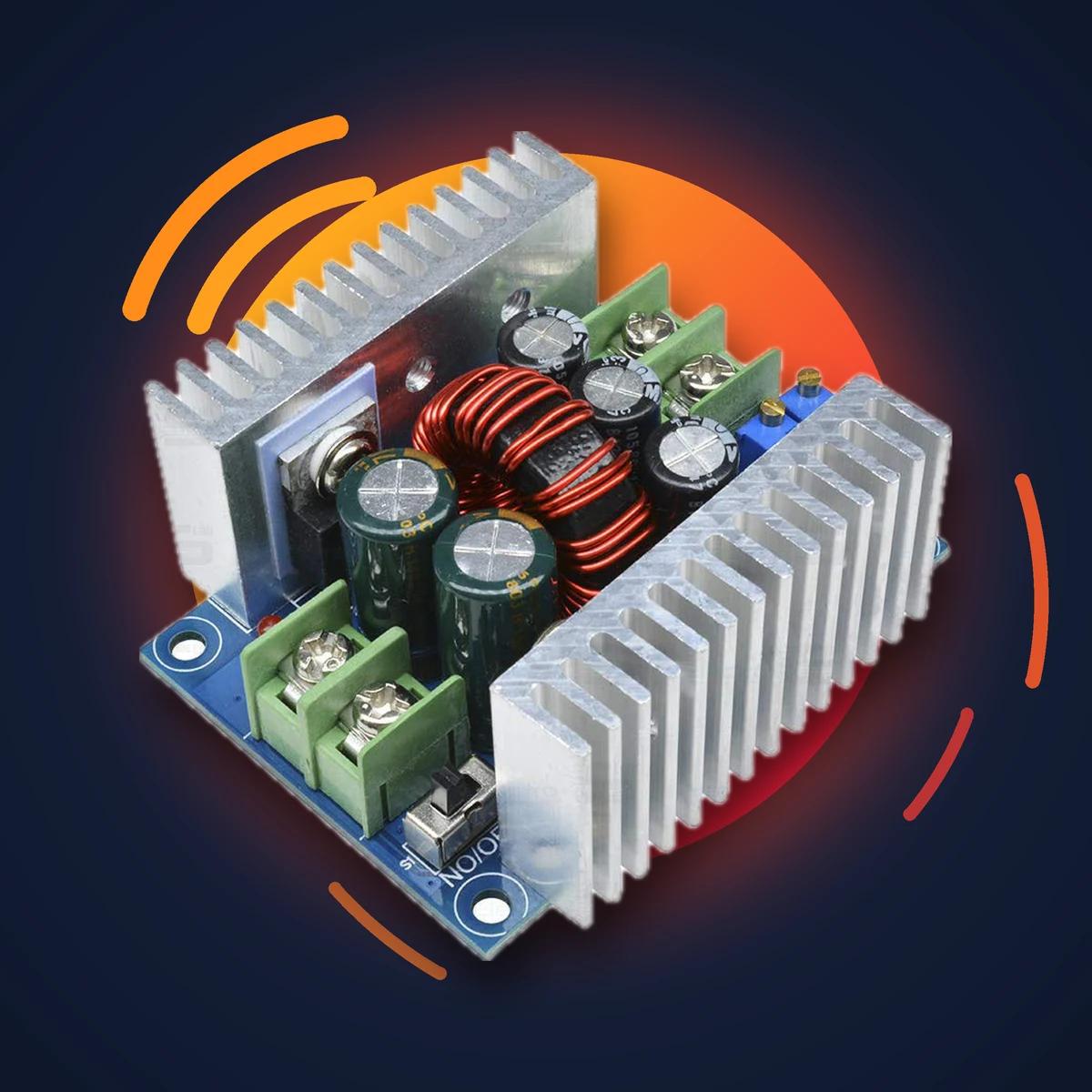
Batteries and solar panels give one DC voltage, and the device you want to run often needs another. A DC to DC converter changes one DC voltage into another efficiently. A buck converter steps the voltage down, for example 24V to 12V or 12V to 5V. A boost converter steps it up, for example 12V to 19V for a laptop.
Unlike a simple linear regulator that burns the difference as heat, these switching converters are typically 85 to 95 percent efficient, so they run cool even at high power. See our range on the DC to DC converters page.
Buck converters: step the voltage down
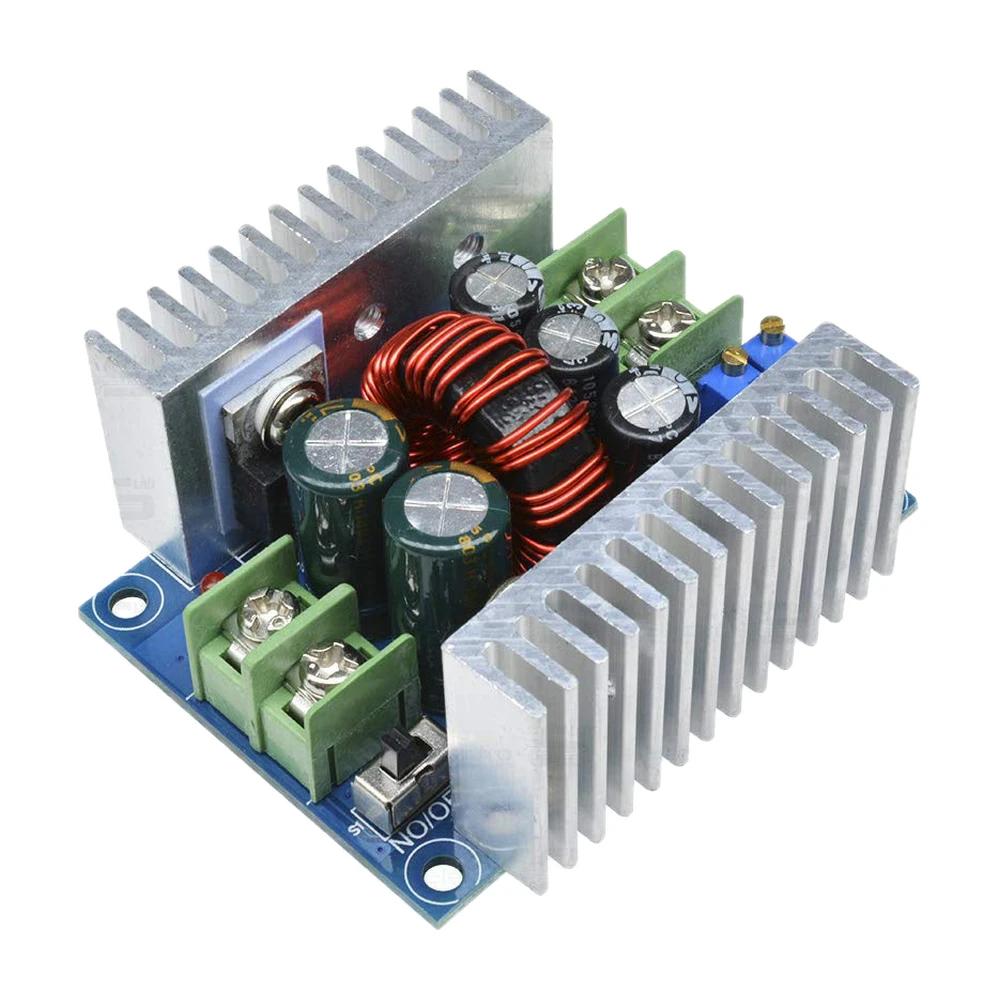
A buck converter chops the input voltage at high speed and smooths it with an inductor and capacitors into a lower, steady output. A small screw potentiometer sets the output. High current boards like our 300W 20A buck converter can power car audio amplifiers, LED strips, motors and battery chargers from a 24V or 36V source.
Boost converters: step the voltage up
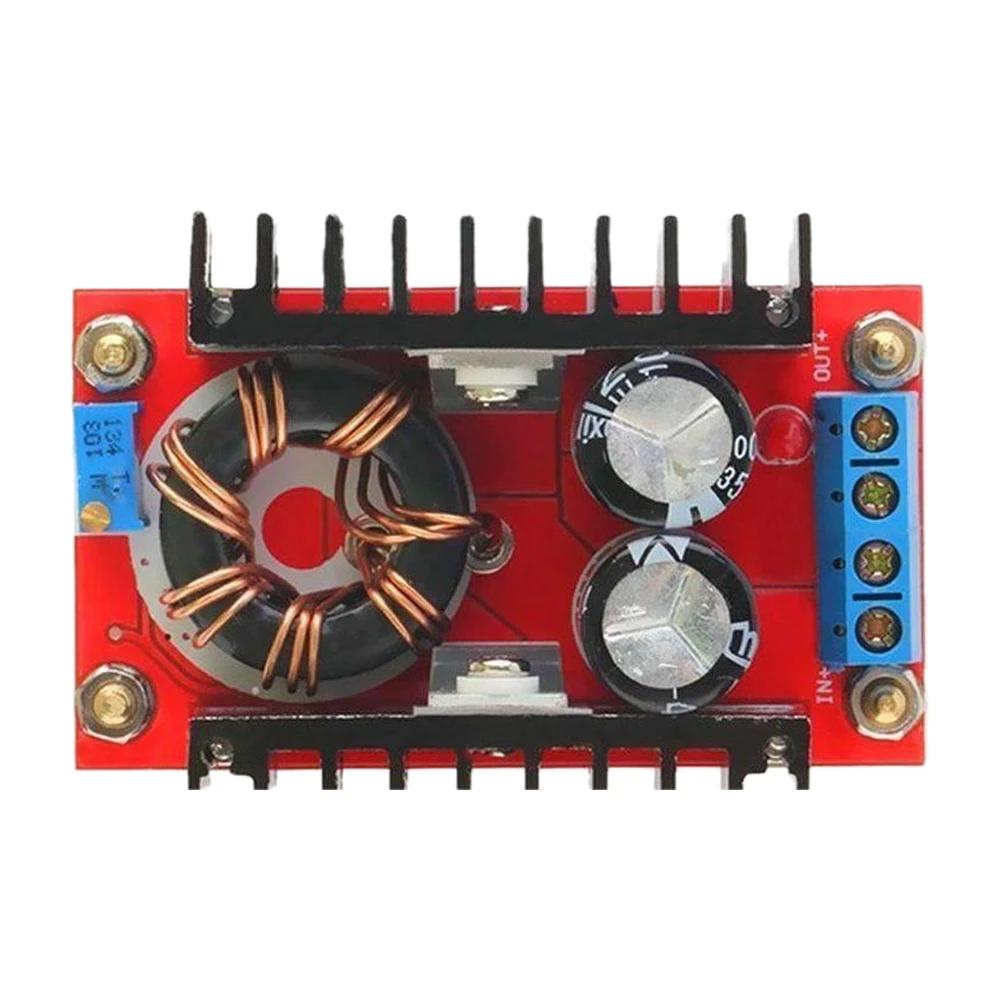
A boost converter stores energy in an inductor and releases it at a higher voltage. Our 150W boost converter takes 10 to 32V in and raises it, which is handy for running a laptop from a 12V car battery, powering higher voltage LED strings, or feeding an amplifier that sounds better at a higher supply voltage.
How to choose the right converter
| Check | Why it matters |
|---|---|
| Converter type | Buck if the output is lower than the input, boost if higher. |
| Input voltage range | Your battery or supply must stay inside it, including when fully charged. |
| Output voltage range | Must cover the voltage your device needs. |
| Max output current and power | Choose about 30 percent headroom over the load. |
| Constant current (CC) | Lets the board charge batteries or drive LEDs safely. |
| Voltage display | A built in meter makes setting the output easy. |
Filter converters on module.pk
On our DC to DC converters page you can pick the converter type with one tap, then filter by max output current, max output power, adjustable output, constant current (CC) and voltage display. Sorting by price shows the most affordable board that meets your wattage.
Frequently asked questions
How do I get 5V from a 12V battery?
Use a buck (step down) converter set to 5V, rated for more current than your load draws.
Can a buck converter charge a battery?
Yes, if it has constant current (CC) control, so you can set both the charge voltage and the current.
اردو میں
DC سے DC کنورٹر کی پوری سمجھ: سولر، گاڑی اور DIY کے لیے بک (وولٹیج کم) اور بوسٹ (وولٹیج زیادہ) ماڈیول
بیٹری اور سولر پینل ایک DC وولٹیج دیتے ہیں، اور جو چیز چلانی ہو اسے اکثر کوئی اور چاہیے۔ DC سے DC کنورٹر ایک DC وولٹیج کو دوسرے میں کم نقصان سے بدلتا ہے۔ بک کنورٹر وولٹیج کم کرتا ہے، جیسے 24V سے 12V یا 12V سے 5V۔ بوسٹ کنورٹر وولٹیج بڑھاتا ہے، جیسے لیپ ٹاپ کے لیے 12V سے 19V۔
سادہ لینیئر ریگولیٹر فرق کو گرمی بنا کر ضائع کرتا ہے، جبکہ یہ سوئچنگ کنورٹر عام طور پر 85 سے 95 فیصد تک کارآمد ہوتے ہیں، اس لیے زیادہ پاور پر بھی ٹھنڈے رہتے ہیں۔ ہمارے کنورٹر DC to DC converters پیج پر دیکھیں۔
بک کنورٹر: وولٹیج کم کریں
بک کنورٹر ان پٹ وولٹیج کو بہت تیزی سے کاٹتا ہے اور انڈکٹر اور کپیسٹر سے کم اور برابر آؤٹ پٹ بناتا ہے۔ ایک چھوٹے پیچ والا پوٹینشیومیٹر آؤٹ پٹ سیٹ کرتا ہے۔ زیادہ کرنٹ والے بورڈ جیسے ہمارا 300W 20A بک کنورٹر 24V یا 36V سے کار آڈیو ایمپلیفائر، LED پٹیاں، موٹر اور بیٹری چارجر چلا سکتے ہیں۔
بوسٹ کنورٹر: وولٹیج بڑھائیں
بوسٹ کنورٹر انڈکٹر میں توانائی جمع کر کے زیادہ وولٹیج پر چھوڑتا ہے۔ ہمارا 150W بوسٹ کنورٹر 10 سے 32V لے کر بڑھاتا ہے، جو 12V کار بیٹری سے لیپ ٹاپ چلانے، زیادہ وولٹیج والی LED لائنیں چلانے، یا زیادہ وولٹیج پر بہتر آواز دینے والا ایمپلیفائر چلانے کے کام آتا ہے۔
صحیح کنورٹر کیسے چنیں
| کیا چیک کریں | کیوں ضروری ہے |
|---|---|
| کنورٹر کی قسم | آؤٹ پٹ ان پٹ سے کم ہو تو بک، زیادہ ہو تو بوسٹ۔ |
| ان پٹ وولٹیج کی حد | بیٹری یا سپلائی اس کے اندر رہے، فل چارج پر بھی۔ |
| آؤٹ پٹ وولٹیج کی حد | آپ کی چیز کا وولٹیج اس میں آئے۔ |
| زیادہ سے زیادہ کرنٹ اور پاور | لوڈ سے تقریباً 30 فیصد زیادہ گنجائش رکھیں۔ |
| کانسٹنٹ کرنٹ (CC) | بورڈ بیٹری چارج یا LED محفوظ طریقے سے چلا سکتا ہے۔ |
| وولٹیج ڈسپلے | بلٹ ان میٹر سے آؤٹ پٹ سیٹ کرنا آسان۔ |
module.pk پر کنورٹر فلٹر کریں
ہمارے DC to DC converters پیج پر ایک ٹچ میں کنورٹر کی قسم چنیں، پھر زیادہ سے زیادہ کرنٹ، زیادہ سے زیادہ پاور، آؤٹ پٹ کم زیادہ ہو سکتا ہے، کانسٹنٹ کرنٹ (CC) اور وولٹیج ڈسپلے سے فلٹر کریں۔ قیمت سے ترتیب دیں تو آپ کے واٹ پورے کرنے والا سب سے سستا بورڈ پہلے آتا ہے۔
اکثر پوچھے جانے والے سوال
12V بیٹری سے 5V کیسے لوں؟
5V پر سیٹ کیا ہوا بک کنورٹر لگائیں، جس کی کرنٹ ریٹنگ آپ کے لوڈ سے زیادہ ہو۔
کیا بک کنورٹر بیٹری چارج کر سکتا ہے؟
جی ہاں، اگر اس میں کانسٹنٹ کرنٹ (CC) کنٹرول ہو، تاکہ چارج وولٹیج اور کرنٹ دونوں سیٹ ہو سکیں۔